
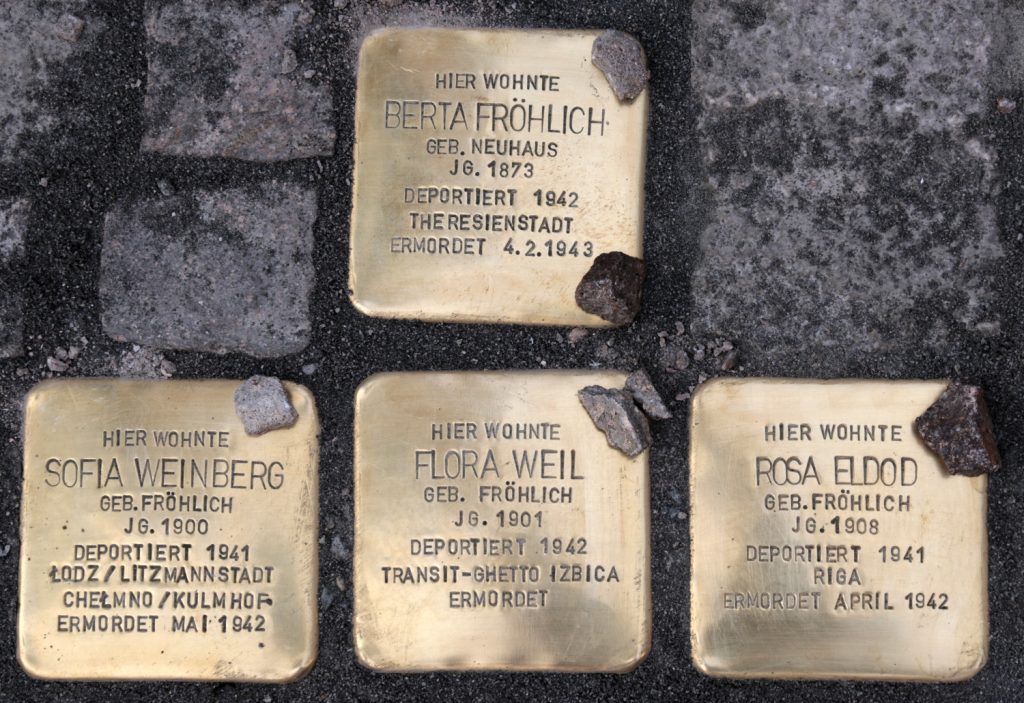
Location: Holzapfelgasse 8 – Bad Mergentheim
Berta Neuhaus was born in Sulzbürg, Upper Palatinate, in 1873. She married David Fröhlich, who was from Unteraltertheim. After the birth of their son Max (1894), the young family moved to Bad Mergentheim, where not only did their family grow to include a total of 11 children, but they also achieved economic success with the Fröhlich export butcher shop. This business supplied the coveted “boef de hohenlohe” as far as Paris.
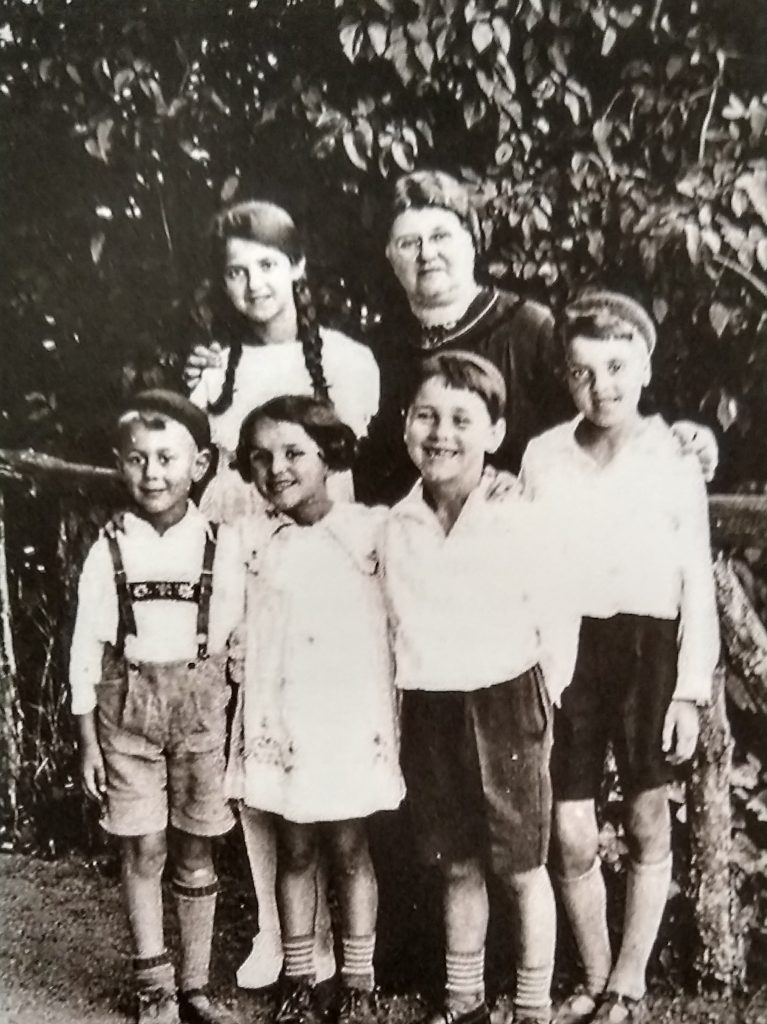
The early death of her husband, who passed away in 1925 at the age of 59, marked a major turning point.
With the National Socialists’ rise to power, the butcher shop began to decline. A constant stream of new special regulations made business operations increasingly difficult, and the 1939 Aryanization—carried out at a price far below the property’s value—ultimately led to complete impoverishment. Worse than the loss of the business, however, was certainly the breakdown of the family, even though the emigration of the five sons is viewed in retrospect as having saved their lives
After her daughter Getta emigrated, Berta Fröhlich moved to Nuremberg to live with her daughter Flora, then to Hamburg to live with Rosa, and back to Flora in Nuremberg. From there, or rather from Fürth, Berta Fröhlich was deported to Theresienstadt on September 10, 1942, where she died on February 4, 1943.
At the site of her former family home, we also wish to honor the memory of Berta Fröhlich’s three daughters, who were also victims of the Holocaust.
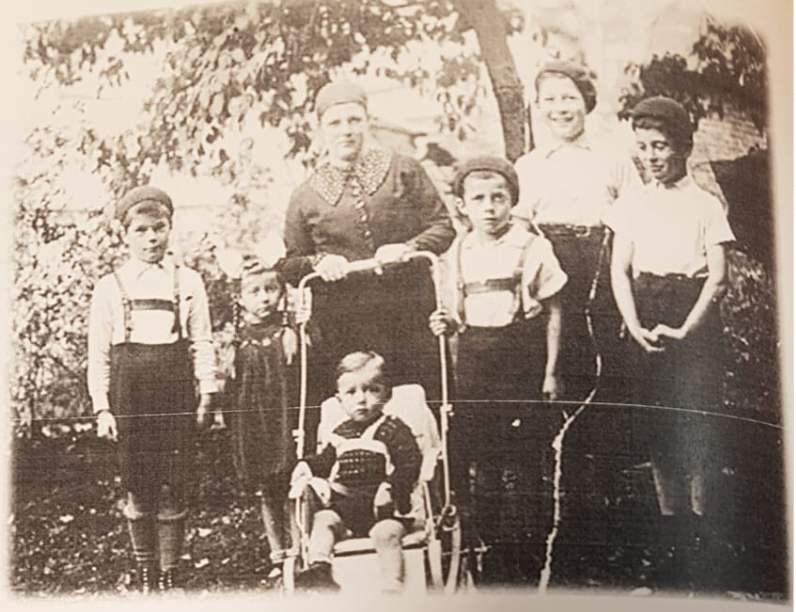
The eldest of them was Sofie Weinberg (b. 1900), who lived in Hachenburg in the Westerwald with her husband Alfred and their six children until 1938. After her husband was released from Buchenwald in 1938, the family was forced to relocate to Cologne. While their two sons, Julius and David, reached Israel in 1939 via a Kindertransport from Frankfurt, the rest of the family was deported to the Lodz concentration camp on October 29–30, 1941. In May 1942, they were deported again to Kulmhof, where they were murdered.
Flora Weil was Sofie’s younger sister by one year and lived in Nuremberg with her husband Max. They had four children, born between 1926 and 1935. At least two of the children (Suse and Herbert) were deported with their parents on March 24, 1942, to Izbica, where all trace of them is lost.
Another sister, Rosa, married Naftali Eldod from Höchberg in 1933 at the age of 17, and moved with him to Hamburg, where he taught modern languages at a Jewish girls’ high school.
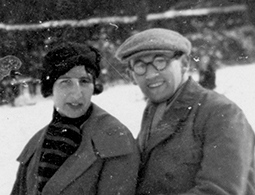
It is not known why Rosa, Naftali, and their three children—Walter, Judith, and David—who had been born by that time, did not leave the country in time, despite having received approval for their exit application. In 1940, their son Eli was born, which is why Berta Fröhlich lived with the family for a year.
The family of six was deported to Jungfernhof on December 6, 1941. According to a surviving brother of Naftali, Rosa—possibly along with her children—died in the spring of 1942, when approximately 3,000 women and children living at the Jungfernhof were taken by bus to the nearby Hochwald under the pretense that they would find better work and housing, and were shot there.nft finden, in Autobussen in den nahen Hochwald gefahren und dort erschossen wurden.
Date of laying: June 19, 2023
Sponsorship: Berta und Rosa: Abschlussjahrgang 2023 Kopernikus Realschule, Sophie: present, Flora: none
Author:RH